A weekly homeschool planner template for weeks that change
A weekly homeschool planner template that shows what matters, what needs you, and what can move when the week changes.
By Homa
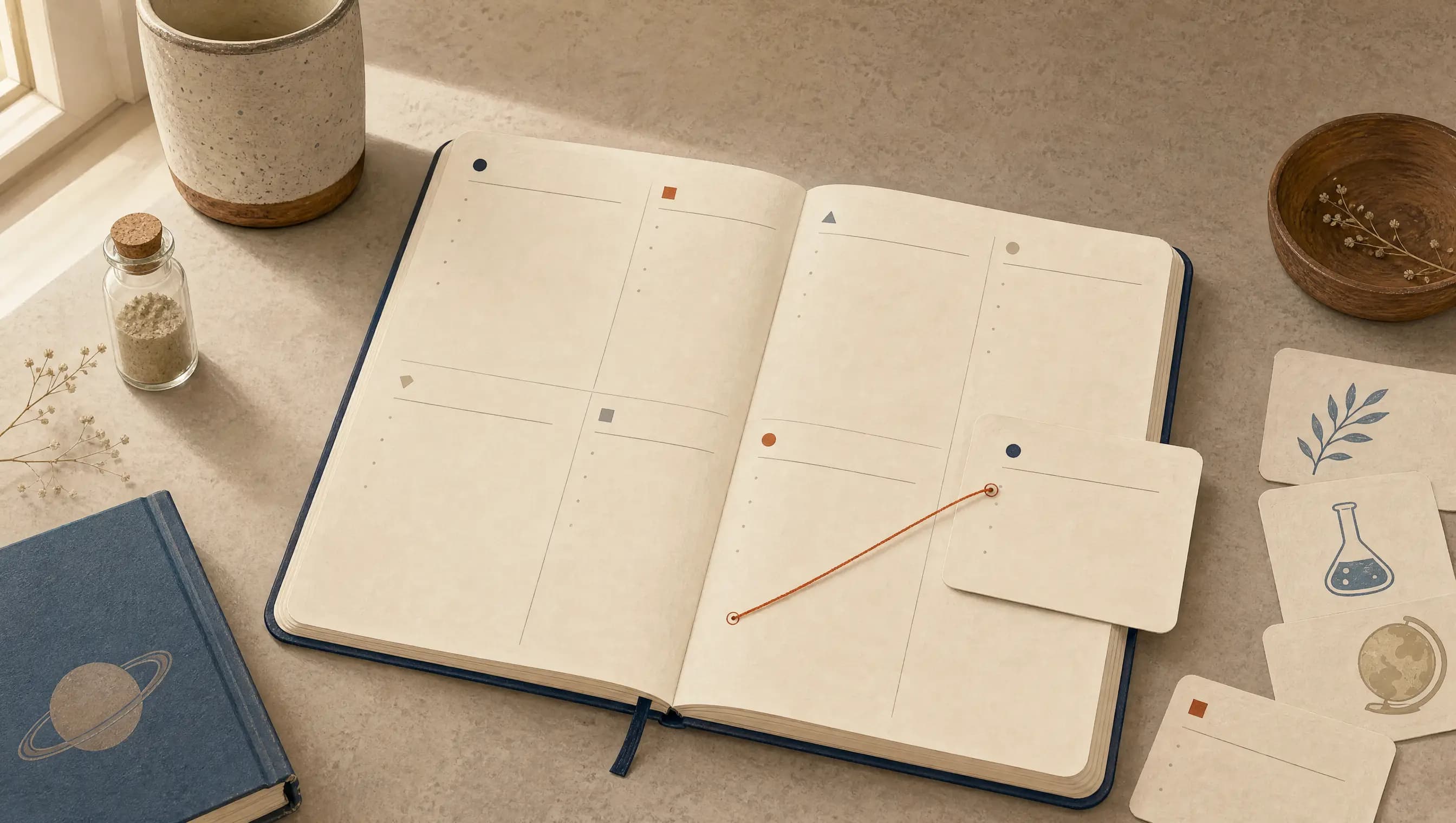
Sunday’s plan is lovely. The books are stacked. The boxes are filled. By Tuesday, someone needs a slower morning, the library book is missing, and the science project requires a lemon you apparently did not buy.
The problem is not that the plan changed. The problem is that a planner page can give changed work nowhere to go.
A useful weekly homeschool planner template shows the week’s few important things, the “Needs me” work, and what can move without being rewritten. Fixed anchors leave open space, and unfinished work gets a clear next decision: keep it, move it, or let it go.
A weekly homeschool planner template to copy
You can paste this version into a phone note or write the same headings on paper:
This week matters:

Needs me:

Can move:

Open space:

What happened:

Next useful step:
The template is small because the week already contains enough. “What happened” stays blank until the day is real. “Read in the car” is more useful than pretending the original plan stayed true.
A filled version might look like this:
- This week matters: reading lessons, a new math idea, seed observations, and the library.
- Needs me: the new reading work, the new math idea, science setup, and the library trip.
- Can move: the read-aloud, familiar math practice, drawing the seed changes, and a nature walk.
- Open space: an open morning.
- What happened: add the short, honest note after each day.
- Next useful step: name only the work that still earns a place.
Start with what matters this week
Before listing pages and lessons, it can help to name the few things that would make Friday feel recognizable.
That might be:
- finish the current library book
- practice one new math idea enough to choose the next step
- write and send a letter
- take the promised nature walk
- complete the work your local record requires
These are not minimum standards for a good week. They are the week’s shape. When Wednesday disappears into an appointment, you know what deserves a new place and what was merely one possible route.
If every item is a priority, none of them can guide the week. The few items that carry it can come first, with smaller work placed around them.
The “Needs me” work
A weekly plan can look perfectly balanced while assigning you to two places at once. A small dot, initial, or check can mark every “Needs me” item.
Looking across the whole week shows when one morning holds more “Needs me” work than you can carry. You can move an item, combine a shared activity, or choose a shorter version before anyone is waiting at the table.
For several children, the “Needs me” blocks can go in first. Familiar work, reading, play, audio, or projects can continue nearby. The guide to making a homeschool schedule for multiple children shows how those turns can fit together.
Anchors instead of every minute
An anchor is a dependable point in the day rather than a promise about the clock. “Read together after breakfast” can survive a late start. A fixed reading start and stop time may spend the whole morning announcing that everyone is late.
Useful anchors include:
- after breakfast
- before lunch
- when the toddler rests
- after the library
- before the afternoon outing
- when everyone meets for a read-aloud
Exact times are useful when the time is real, such as a co-op class or appointment. The rest of the plan can follow the family’s day.
One next decision for unfinished work
An unchecked box should not become a tiny accusation that follows you into next week. At the end of the day, each item can take one action:
- Keep it this week. It still matters and gets a new place.
- Move it forward. It belongs in a later week, not tomorrow by default.
- Let it go. The useful learning happened another way, or the item no longer matters.
The decision is quick to write. Leaving the box unresolved makes you reconsider it every time you open the planner.
A planner can remember what happened
Planning and record keeping can share the same page. One short note after the work may be enough:
- “Counted change at the store”
- “Read outside because the baby slept”
- “Needed another day with regrouping”
- “Rebuilt the bridge and changed the base”
The note does not need to defend the day. It only needs to make the day recognizable later. If your location requires a particular record, the current official source decides which fields belong. An unclear question can wait for a source check instead of becoming a guess inside the planner.
How Homa fits a changing week
Homa’s homeschool planner keeps the weekly plan with the related practice pages and records. When a day changes, Homa can revise the remaining plan. You choose which work moves.
That makes the digital version useful for a specific reason: you can change the current week without copying the whole page again. A paper version may still be the right fit if writing by hand helps you think or if the page already lives where the day happens.
The right planner is the one you will still open after Tuesday changes it.
The week already in front of you
Tonight does not need a rebuilt school year. Next week can begin with the few things that matter, the “Needs me” work, and an open block. When something moves, it can have a destination instead of an arrow with nowhere to land.
The planner does not need to predict the family. It only needs to hold the important work and make the next change easier to decide.